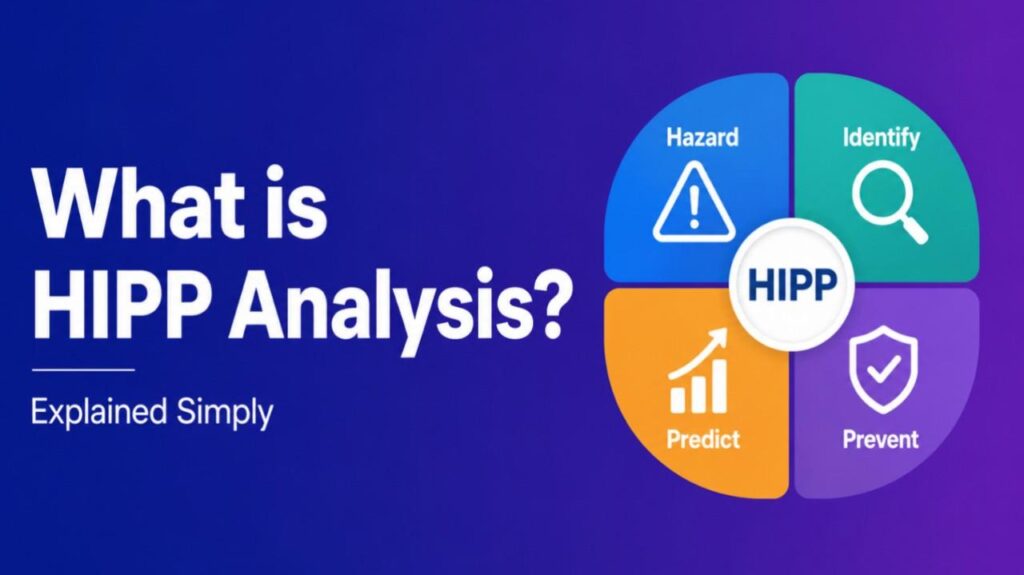
What is HIPP Analysis – HIPP analysis is a structured framework used in Advanced Placement (AP) History courses to evaluate primary source documents. HIPP stands for Historical Context, Intended Audience, Purpose, and Point of View.
Students and teachers apply it to understand documents more deeply when writing Document-Based Questions (DBQs) and Long Essay Questions (LEQs).
How HIPP Analysis Works
For each primary source, you analyze it through the four HIPP components:
- Historical Context: Place the document in its time period. What events, trends, or conditions were happening when it was created?
- Intended Audience: Who was the document written or created for? How might that shape the content?
- Purpose: Why did the author create this document? What did they hope to achieve?
- Point of View: What is the author’s perspective, background, or bias? How does it influence the message?
Applying HIPP helps students move beyond summarizing a document to explaining its significance and reliability.
Benefits and Uses
HIPP analysis improves document sourcing skills required for high scores on AP exams. It encourages critical thinking, helps build stronger arguments, and shows how a source fits into broader historical narratives. Teachers often require students to “HIPP” at least one or more documents per DBQ.
Also Read-What Time Is It In Fiji
Example
Consider Martin Luther King Jr.’s “Letter from Birmingham Jail” (1963):
- Historical Context: Written during the Civil Rights Movement amid widespread segregation and protests.
- Intended Audience: White moderate clergy who criticized the protests.
- Purpose: To defend nonviolent direct action and urge immediate change.
- Point of View: From an African American civil rights leader jailed for protesting injustice.
HIPP vs HIPP-O
Some teachers use HIPP-O, which adds Outside Information (or Outside Evidence) — relevant historical facts not mentioned in the document itself. The core HIPP elements remain the same.
FAQs : What is HIPP Analysis
Do I need to use all four parts of HIPP for every document?
In AP exams, strong responses usually address at least 2–3 elements per sourced document, with clear explanation of how they support your argument.
Is HIPP only for AP World History?
No. It is commonly used in APUSH, AP European History, and other history courses that involve document analysis.
How detailed should HIPP analysis be?
Be specific and connect it back to your thesis or argument. Avoid vague statements.
What if a document doesn’t have a clear audience?
Analyze what can be reasonably inferred from the content, author, and time period.